Question everything. Screenshot everything.

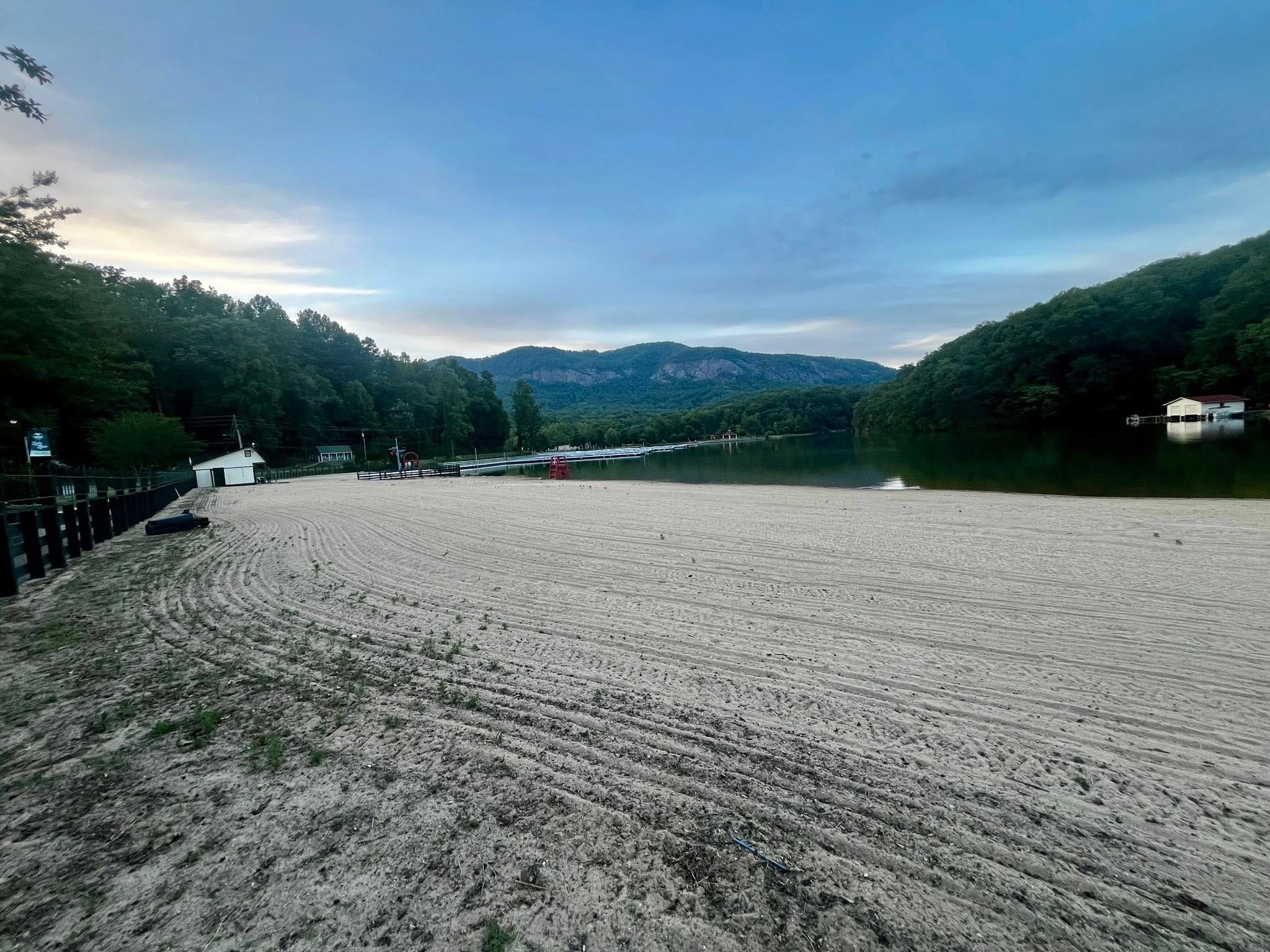
Let me be clear. I love Lake Lure. The beauty and the people, even those who may not like my reporting. The most important story in Lake Lure right now may not be what’s in the water.
It may be what’s happening to the records.
For months, residents, business owners, and visitors have been told that Lake Lure’s recovery is progressing. After Hurricane Helene devastated western North Carolina, local officials faced enormous challenges. Roads washed away. The infrastructure was damaged. The lake itself became the center of ongoing concerns about debris, sediment, contamination, and public safety. There were constitutional questions.
In recent weeks, town leaders began reopening portions of Lake Lure under a phased approach, assuring the public that conditions were being monitored and that water quality testing was occurring.
Those assurances carry weight.
People are making decisions based on them. Families are deciding whether to swim, boat, or visit. Business owners are trying to survive another tourist season. Property owners are assessing the future of one of North Carolina’s most iconic mountain destinations.
Trust matters.
That is why, in my view, what recently happened should concern everyone.
On June 6, I reported that publicly available water quality records appeared to show no published sample results from the town after April 27. The issue was not whether testing had occurred. The issue was whether the records that were supposed to be available to the public actually existed, where the public was told they existed.
Then something changed.
After I published my story, the spreadsheet that had been available to the public disappeared.
Shortly afterward, officials began modifying and republishing records.
Not weeks later. Not months later. In real time.
I documented and preserved that activity on video.
The question is not whether government officials are allowed to update records. Of course they are.
The question is why records that appeared absent before public scrutiny suddenly began appearing after public scrutiny.
That distinction matters.
According to Lake Lure’s own public records policy, “public records are the property of the people.”
The policy cites North Carolina General Statute 132-6.2(e), which states that public agencies are not required to create or compile records that do not already exist to satisfy a public records request.
That provision exists for a reason.
Government records are supposed to document what happened when it happened. They are not supposed to become moving targets.
When a citizen reviews a government document, that citizen should have confidence that the record accurately reflects the timeline of events. When records begin changing after questions are raised, confidence begins disappearing.
This is not the first time questions have emerged regarding transparency, communications, or decision-making in the aftermath of Hurricane Helene. Residents have spent months seeking answers regarding recovery efforts, debris removal, infrastructure projects, funding, contracts, and timelines.
Now, the town is responsible for debris clean-up after the U.S. Army Corps of Engineers and the NC Emergency Management contracted programs apparently ended.
Many legitimate questions have been met with limited information, delayed responses, or explanations that changed over time.
Now the same concerns are emerging around water quality information.
The issue is larger than a spreadsheet. The issue to me is credibility.
Government operates on trust. Citizens trust officials to tell the truth. Citizens trust records to reflect reality.
Citizens trust that information posted publicly today will be the same information that existed yesterday. When that trust erodes, every future statement becomes harder to believe.
Every report becomes subject to skepticism. Every assurance requires independent verification.
That is where Lake Lure now finds itself.
If records were omitted accidentally, officials should say so. If files were uploaded late, officials should say so. If mistakes were made, officials should explain them.
Most people are willing to forgive errors. What they are less willing to forgive is the appearance that officials are attempting to reconstruct a public record after the fact while insisting everything was handled properly all along.
The public deserves a complete explanation. When were the water samples collected? When were the results first received? When were they first uploaded? Who modified the spreadsheet? Why was the previous version removed? Are version histories being preserved?
These are not partisan questions. They are accountability questions.
And accountability is especially important when public health and public confidence are involved. The irony is that the town’s own public records policy gets it exactly right. Public records belong to the people.
Not to elected officials. Not to department heads. Not to attorneys. Not to consultants. To the people.
The records do not exist for the government to tell its preferred version of events. The records exist so citizens can determine for themselves what happened. That is why preserving original records matters.
That is why timestamps matter. That is why version histories matter. And that is why independent journalism matters.
The lesson from this weekend is simple. Question everything. Verify everything. Save everything. Screenshot everything.
Because once scrutiny arrives, records sometimes have a way of changing.
Lake Lure’s leadership still has an opportunity to restore confidence. A full explanation, complete transparency, and immediate disclosure of the timeline surrounding these records would go a long way toward rebuilding trust.
But if officials continue to spin and only share positive news stories, insisting there is nothing to see while the public watches records change in real time, the damage to public confidence will only deepen.
And if leadership continues down that road, this story will not end with a spreadsheet. It may end with different elected officials. Candidate filing opens in July for the 2026 municipal election.
—
This newsletter is supported by readers like you. Paid subscribers have access to the full archive.
Annie Dance | Lake Lure News | Cops & Congress | News & Commentary


—
🏛️ All those mentioned are presumed innocent until proven guilty.
Learn more about this newsletter, ethics policy, how you can help shape this work, and support it. Follow on X and Facebook. Send constructive criticism, fan mail, and tips with public documents for future stories: CopsandCongress@gmail.com